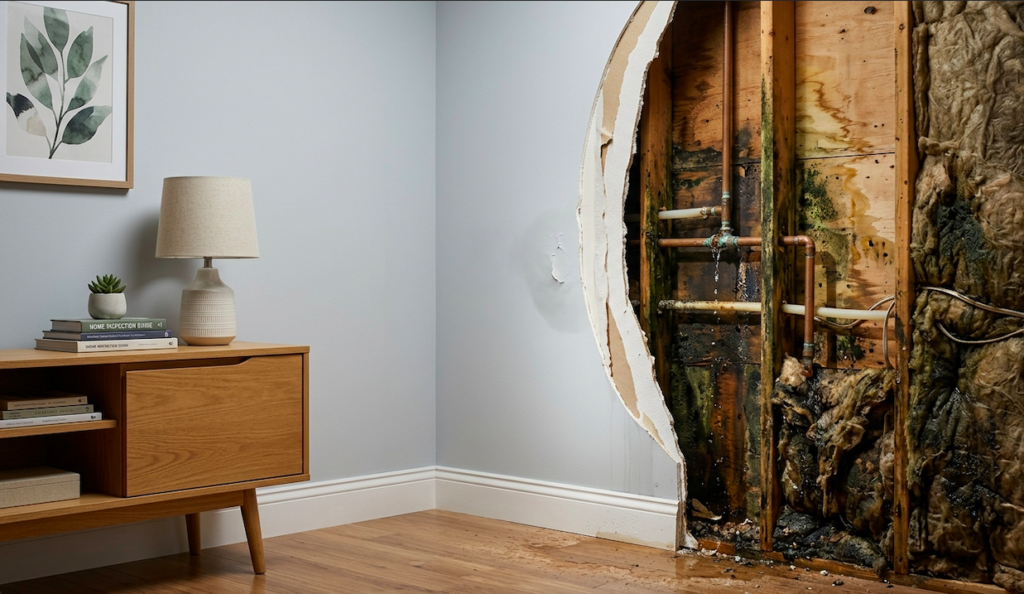
Imagine waking up to a mysteriously high water bill or spotting unexplained damp spots on your walls. These subtle clues could signal a hidden water leak wreaking havoc behind the scenes in your Lake Charles home. As a leading water damage restoration company, Lake Charles Rapid Restore has responded to countless calls from local residents facing this sneaky issue. Left unchecked, these leaks can lead to structural damage, mold growth, and costly repairs. In this guide, we’ll walk you through how to identify a hidden water leak behind your walls, empowering you to act before the problem escalates. Whether it’s from aging pipes or heavy rains common in our humid Louisiana climate, early detection is key to safeguarding your property and peace of mind.
Understanding Hidden Water Leaks: What They Are and Why They Matter
Hidden water leaks occur when water escapes from plumbing lines, appliances, or even roof issues, seeping into wall cavities without immediate visible signs. Unlike obvious floods, these leaks are insidious, often going unnoticed for weeks or months. In Lake Charles, our subtropical climate exacerbates the problem—frequent humidity and heavy downpours can mask leaks, allowing moisture to build up undetected.
Why should you care? Water is a powerful force that can compromise your home’s integrity. It weakens drywall, rots wooden studs, and creates ideal conditions for mold, which poses health risks like respiratory issues. According to industry data, undetected leaks account for up to 10% of a household’s water usage, driving up utility costs and potentially leading to thousands in restoration expenses.
- Types of Hidden Leaks: Common culprits include pinhole leaks in copper pipes due to corrosion, faulty seals around fixtures, or cracks from settling foundations. In older homes prevalent in areas like Nelson Road Park, galvanized pipes are especially prone.
- Detection Challenges: Walls act as barriers, trapping moisture and delaying symptoms. Thermal imaging or moisture meters are professional tools, but homeowners can spot early indicators.
- Health and Safety Risks: Stagnant water breeds bacteria and fungi. Prolonged exposure can lead to allergic reactions or structural failures, like sagging ceilings.
- Financial Impact: A small leak might cost $500 to fix if caught early, but ignoring it could balloon to $10,000+ for full wall replacement and structural drying.
In our experience at Lake Charles Rapid Restore, we’ve seen leaks start as minor drips but turn into major disasters, especially during hurricane season when water pressure surges strain systems. Understanding these basics equips you to protect your investment in our flood-prone region.
Step-by-Step Guide: How to Detect a Hidden Water Leak Behind Your Walls
Detecting a hidden water leak requires a systematic approach, combining observation, simple tests, and awareness of local factors. Lake Charles homes, often built on expansive clay soils that shift with seasonal rains, are particularly vulnerable to pipe stress and leaks. Start by monitoring your home’s baseline—track water usage and note any changes.
-
Check Your Water Bill: A sudden 10-20% increase without changes in habits often points to a leak. Shut off all water and watch your meter; if it spins, there’s an active flow somewhere.
-
Inspect for Visual Clues: Look for bubbling paint, peeling wallpaper, or soft spots on walls. In humid Lake Charles summers, discoloration might mimic sweat, but yellowing or brown stains signal minerals from leaking water.
-
Listen for Sounds: Turn off appliances and faucets, then listen for dripping or hissing in quiet moments. Use a stethoscope on pipes for subtle noises—leaks create pressure changes audible through walls.
-
Feel for Temperature Differences: Wet areas feel cooler. Run your hand along walls near plumbing lines; uneven temperatures can indicate moisture.
- Smell Test: Musty or mildew odors suggest trapped dampness. In our area, where high humidity is the norm, this scent stands out as unusually persistent.
Local factors play a big role: Intense storms along Goos Ferry Rd / Koonce Rd can overwhelm drainage, forcing water into foundations and walls. Older ranch-style homes in Cable may have outdated plumbing more susceptible to corrosion from our mineral-rich water supply.
Pro Tip: For a quick DIY moisture check, tape a plastic sheet over a suspicious wall section for 48 hours. Condensation inside means excess humidity—call pros for confirmation to avoid electrical hazards from wet wiring.
If symptoms persist, consider professional tools like infrared cameras. This proactive detection can prevent escalation, saving time and money in Louisiana’s wet environment.
Common Mistakes Homeowners Make When Dealing with Hidden Water Leaks
Homeowners in Lake Charles often underestimate hidden leaks, leading to bigger problems. One frequent error is ignoring minor signs, like a slight bill hike, assuming it’s seasonal usage. This delay allows water to spread, fostering mold that requires attic mold removal and health interventions.
Another mistake: Attempting DIY fixes without proper tools. Patching a visible spot might seal the surface but ignore the source, causing recurrence. In our humid climate, incomplete drying leads to warped floors or electrical shorts, risking fires.
Overlooking local regulations is common too. Louisiana building codes require specific leak detection in flood zones; bypassing this can void insurance claims. Financially, ignoring a leak might cost $2,000 in immediate repairs but escalate to $15,000 if it damages wiring or insulation.
Safety-wise, probing walls with tools can hit live wires, causing shocks. We’ve seen cases where delayed action led to evacuations due to toxic mold. Always prioritize professional assessment to mitigate these risks effectively.
Wrapping It Up: Protect Your Home from Hidden Water Leaks Today
Spotting a hidden water leak behind your walls boils down to vigilance—watch for bill spikes, odd smells, and wall changes, then act swiftly with checks or expert help. In Lake Charles, where weather amplifies these issues, early intervention preserves your home’s value and safety.
If DIY efforts uncover a problem or you’re unsure, Lake Charles Rapid Restore is here to assist. Our team specializes in rapid detection and restoration, from emergency plumbing repairs to full recovery. Visit our About Us page to learn more about our local expertise. Need help with how to tell if you have a hidden water leak behind your walls in Lake Charles? Call Lake Charles Rapid Restore today at (337) 454-5084.
Leave a Reply